
By Ramyar Ako
In exciting news, a research team supported by the National Institutes of Health (NIH) has developed and safely delivered the first-of-its-kind personalized gene editing therapy to treat an infant with a life-threatening, incurable genetic disease.
The disease in question is a rare condition known as carbamoyl phosphate synthetase 1 (CPS 1) deficiency. The disease is caused by a genetic mutation in the liver at birth and is characterized by the inability to breakdown byproducts of protein metabolism in the liver, causing ammonia to build up to toxic levels in the body. The condition eventually causes severe brain and liver damage.
Previous treatment relied on the affected adapting a low protein diet until they were old enough for a liver transplant. However, rapid organ failure due to stressors such as infection, trauma, or dehydration was always a risk during the wait period. The build-up of high levels of ammonia can cause coma, brain swelling, and may prove even fatal or cause irreversible brain damage.
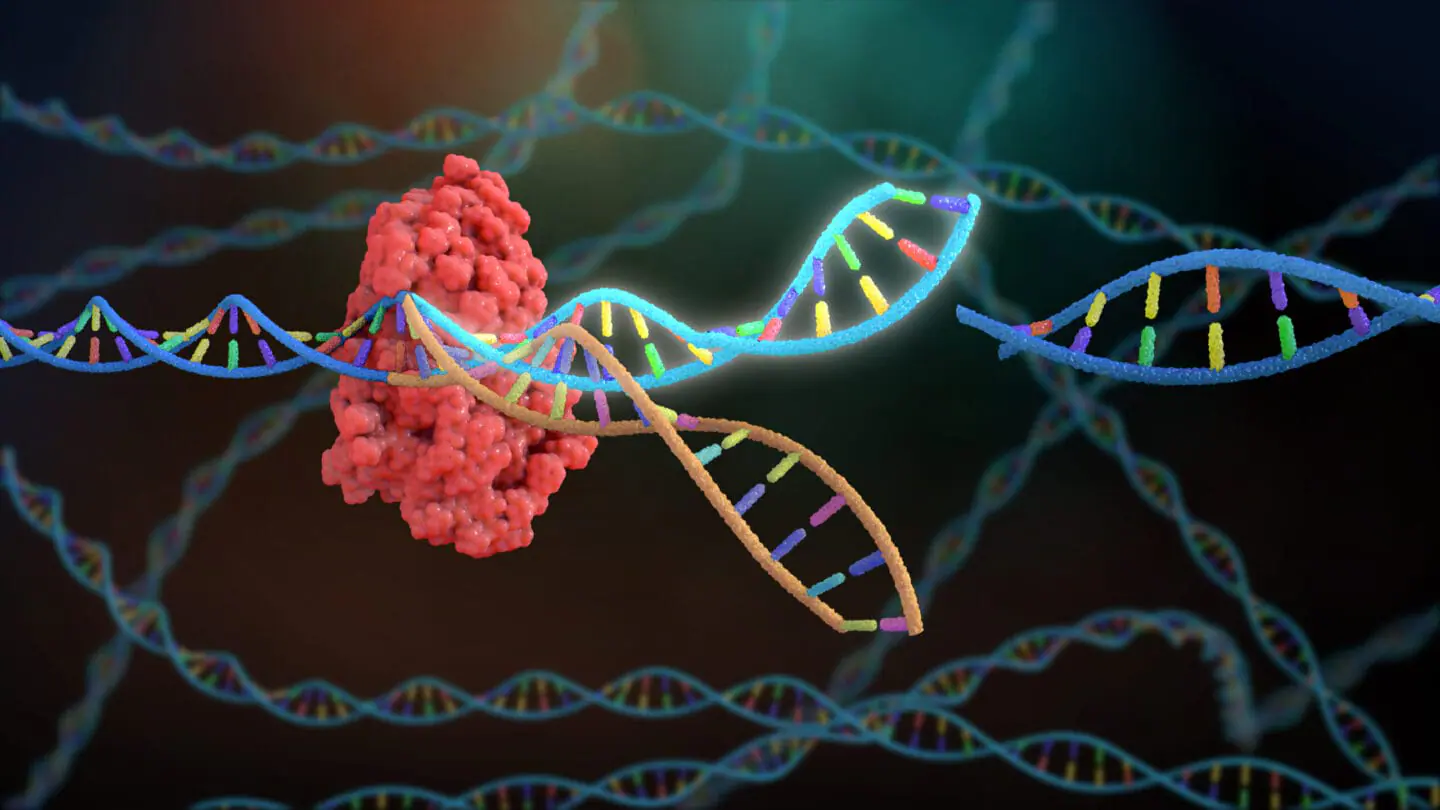
The researchers, which included a team from the Children’s Hospital of Philadelphia (CHOP) and the Perelman School of Medicine at the University of Pennsylvania (Penn), developed the therapy using a gene-editing technique called CRISPR. This technique allows scientists to precisely change the DNA inside living cells.
This was the first known case of personalized CRISPR-based medicine and it was designed to target non-reproductive cells so changes would only affect the patient. The whole process, from diagnosis to treatment, took only six months, sparing the infant a lifelong period of suffering and anticipation.
Source: National Institutes of Health (NIH)